What an old Sacramento house turns up when it goes on the market
Put an old Sacramento house on the market and it starts talking. The buyer's inspector crawls underneath with a flashlight, and a few days later you're reading a report about things you quit noticing years ago. I was that inspector for 24 years, mostly in Land Park, Curtis Park and East Sacramento, and this site is what I'd tell you over the back fence before you list.
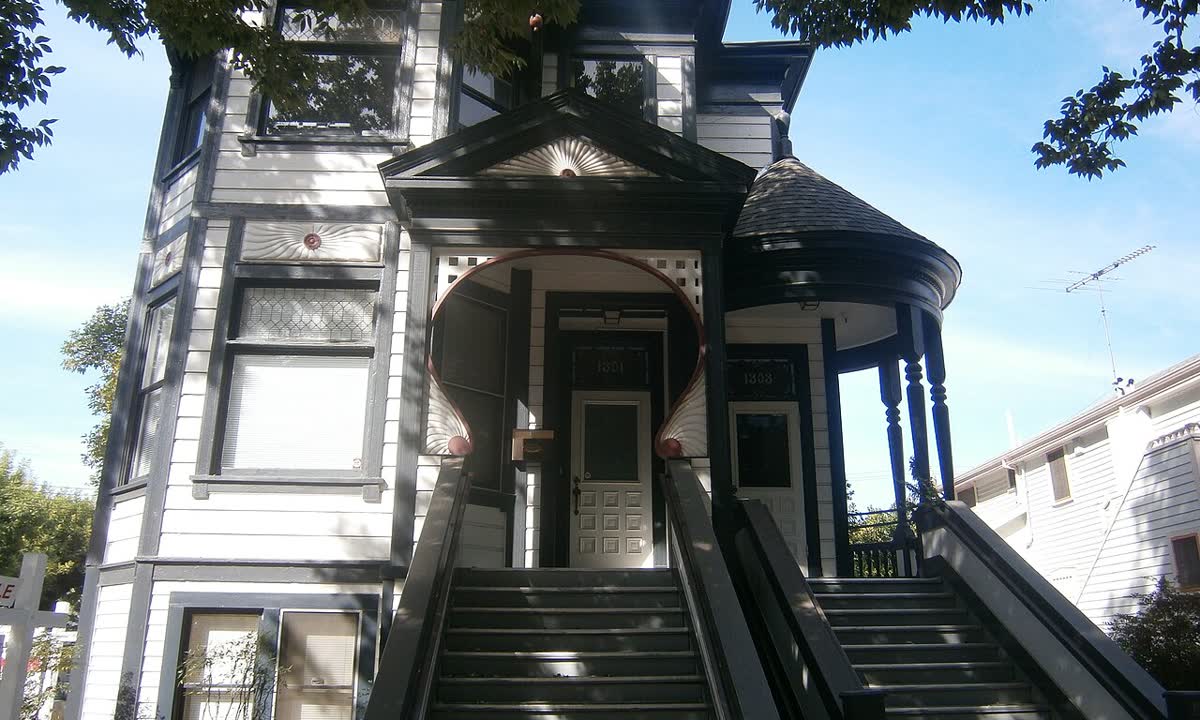
The city is older than it looks from the freeway
In the Census Bureau's 2020 to 2024 survey, 53.6% of all housing units in the City of Sacramento were built before 1980, and 10.8% date to 1939 or earlier. The median year built for the city is 1977. In ZIP code 95818, which takes in Land Park and Curtis Park, it's 1942.
A lot of those houses have eighty years of owners and weekend projects layered into the walls. I liked crawling under them, mostly. The full breakdown, with ZIP codes and the suburbs for comparison, is in how old Sacramento's houses really are.
What tends to show up, by the year it was built
Age won't tell you what's wrong with a house, but it tells you where to look. Below is the short version of the list I carried in my head. The years come from federal and state rules and agency estimates. The rest is stuff I found often enough that I checked for it every time.
| Built | What a buyer's inspector will look for | Paperwork the age can trigger |
|---|---|---|
| 1939 or earlier | Lead paint is likely; EPA estimates 87% of homes this old have some. Wiring and drains that got patched instead of replaced. Foundations that may not be bolted down. | Lead paint disclosure, earthquake safety booklet, plumbing fixture disclosure |
| 1940 to 1959 | Lead paint in about 69% of homes this age, per EPA. Missing foundation bolts and unbraced cripple walls under raised floors. | Same three |
| 1960 to 1977 | Lead paint in about 24% of homes. Possible aluminum branch wiring, which CPSC linked to fire hazards in systems made from 1965 to 1973. | Lead paint disclosure, plumbing fixture disclosure |
| 1978 to 1985 | No new lead paint after the 1978 ban, but EPA says lead pipes are more likely in homes built before 1986. | Plumbing fixture disclosure |
| 1986 to January 1, 1994 | Original toilets and showerheads that use more water than today's limits. | Plumbing fixture disclosure |
| Later than that | Few age flags. The roof, water heater and furnace matter more than the year on the deed. | The standard statewide forms |
The lead paint percentages are EPA's estimates. The earthquake booklet applies to wood-frame houses of one to four units built before January 1, 1960, under Government Code 8897.1. The plumbing rule reaches back to anything built on or before January 1, 1994. On top of that, every house needs a strapped water heater and working smoke alarms at sale, whatever its age. The full rundown is in the old-house items California requires at sale.
Selling as-is doesn't shrink the disclosure. California's Transfer Disclosure Statement can't be waived, and Civil Code 1102 calls any waiver void as against public policy. You can decline to fix things. You still have to say what you know.
Fix it first, or sell it the way it stands
I'd sort the list into piles.
Start with the cheap legal items. Strap the water heater and put in working smoke alarms, plus carbon monoxide alarms if the house burns gas or has an attached garage. You'll certify the first two in writing at sale anyway. Buyers who see them done tend to assume the rest of the house got the same care, which isn't always true but doesn't hurt you.
Next comes anything that looks like a safety problem, such as an active leak, scorched wiring or a furnace that won't light. In my experience those were the items that slowed financed sales down, because nobody on the buyer's side could wave them off. Fixing them before you list usually costs less than fixing them on an escrow deadline with a contractor who knows you're in a hurry.
Then there's the expensive stuff: a foundation retrofit, a full rewire, a new sewer line. That's real money and weeks of work, and the sale price rarely gives every dollar back. You can do the work, give the buyer a credit, or price the house for its condition. You can also sell to buyers who purchase older houses as-is, meaning cash buyers who figure the repairs into their offer instead of asking you to make them. Each route trades money against time and aggravation in a different proportion, and I've seen sellers come out fine on all of them.
A pre-listing inspection lets you make that call with facts in hand. I know, I'm biased.
A walk-through before you call anyone
- Find the year built. Your purchase papers or an old appraisal usually have it, and it tells you which rows of the table apply.
- Look at the water heater. State law wants it braced, anchored or strapped, and you'll sign a statement saying it is.
- Test every smoke alarm. Check for carbon monoxide alarms if there's a gas furnace, gas range, fireplace or attached garage.
- Look at the toilets and showerheads. Under Civil Code 1101.3, a toilet over 1.6 gallons a flush or a showerhead over 2.5 gallons a minute counts as noncompliant.
- Look up your flood zone before a buyer does. The flood zone page shows how.
- Write down what you know: the old leak under the kitchen sink, the porch somebody closed in without a permit, the crack you patched and painted over. It all goes on the disclosure.
Then take a flashlight and spend five minutes in your own crawlspace. Whatever you see down there, the buyer's inspector will see too, and you're better off seeing it first.
Walt Brannigan inspected houses around Sacramento for twenty-four years, a lot of them 1920s bungalows in Land Park, Curtis Park and East Sacramento. He no longer does inspections. He writes about what older houses turn up when they go on the market.